A booking page is the last thing a prospect studies before giving you part of their day. Treat it like a landing page, not an afterthought. Each block should answer the next question likely to appear in the visitor's head.
Hero
Stop the scroll and state the promise.
Say who the page is for, what they get, and what to do next. The visitor should not need a paragraph of scene-setting before understanding the offer.
Proof of product
Show the thing instead of describing it.
If the offer is abstract, make it visible. A real lead card, audit sample, dashboard, deliverable, or before-and-after example reduces the amount of imagination required.
Qualifier
Let the wrong person opt out.
A simple fit / not-fit split raises call quality. It also tells the right prospect that the page understands the conditions required for the offer to work.
How it works
Close the “what happens next?” gap.
Three plain steps are usually enough. The goal is not to document your SOP; it is to remove uncertainty before someone commits time.
Guarantee
Put the risk reversal where it can do its job.
If the offer has a meaningful guarantee, isolate it visually and explain the conditions plainly. Ambiguity kills trust faster than a weaker promise.
Investment framing
Give the price context before the call.
You do not always need to publish a hard number, but the visitor should understand how the investment compares with the value of one successful outcome.
Testimonials
Use proof from people who look like the buyer.
Specific beats vague. Faces beat anonymous quotes. A result with context is useful; praise like “great team” is wallpaper.
Founder / why us
Put a real person behind the call.
Tell the prospect who will actually show up and why that person has earned the right to advise them. Keep the biography short enough to be read.
FAQ
Answer the questions people ask before they disappear.
Exclusivity, contract length, investment, timing, required effort, and what happens if the result is weak are not “objections to overcome.” They are reasonable questions.
What to expect
Set the frame before the calendar.
A short agenda improves show quality because the prospect knows what the call is for, what it is not, and what to bring.
Booking widget
The whole page should funnel here.
Every major CTA should end at one real scheduler with the call name, duration, format, and the person they are meeting.
Confirmation page
The booking is not the end of the funnel.
The confirmation page should protect the show: confirm the time, get the meeting onto the calendar, explain the prep, and give the prospect one useful thing to review before the call.
The always-on layer
Three things should run through the whole page.
- Sticky access to the CTA. Make the booking action easy to reach without hunting.
- One consistent action. Do not send one button to a form, another to email, and a third somewhere else.
- Repeat after major objections are resolved. The visitor should not need to scroll back to act.
The toolbox
The supporting parts worth knowing by name.
Want this mapped to your offer?
Bring the page. Bring the numbers.
We can work through the sequence, the economics behind it, and what should happen before the calendar ever appears.
Book a Call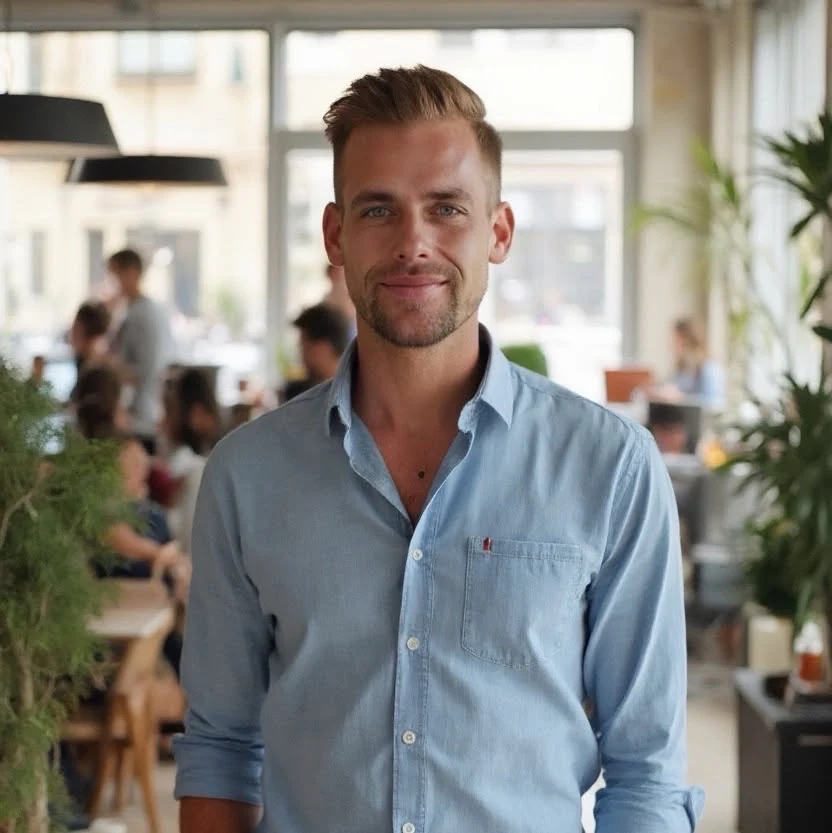
About the author
Scot Smith
Founder of Automated Inbound. Scot writes about funnels, paid acquisition, booking systems, and the unglamorous machinery that turns attention into conversations.
About Scot →